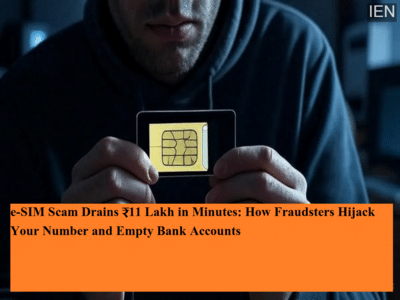
India’s growing digital ecosystem has made life easier for millions—but it has also opened new doors for cybercriminals. In a recent case from Mumbai, a woman allegedly lost around ₹11 lakh within minutes after falling victim to an e-SIM fraud, highlighting how sophisticated scams are evolving. The incident has once again raised concerns about mobile-linked banking security and the urgent need for public awareness.
Below is a detailed, reader-friendly breakdown of how the scam works, how fraudsters access bank accounts, and what precautions you should take to stay safe.
What Happened in the Latest e-SIM Fraud Case?According to reports, scammers posing as telecom company representatives contacted the victim and convinced her that her SIM card needed an upgrade. Under the pretext of converting her mobile connection to an e-SIM or upgrading it to a newer network version, they tricked her into sharing authentication details.
Within moments of sharing the requested information, the fraudsters gained control of her mobile number. Soon after, her phone lost network connectivity—an early sign that her number had been transferred to another device. By the time she realized something was wrong, her bank account had allegedly been drained of nearly ₹11 lakh.
Police have registered a case and launched an investigation.
How e-SIM Scams Typically BeginMost e-SIM frauds follow a similar pattern:
Impersonation Call: The scammer calls pretending to be from a telecom provider.
False Claim: They say your SIM must be upgraded, verified, or converted to e-SIM urgently.
Information Trap: You are asked to share an OTP or scan a QR code.
SIM Transfer: Using that data, criminals activate your number on their device.
Network Loss: Your phone suddenly shows “No Service,” indicating the number has been hijacked.
Because the fraudster now controls your phone number, they effectively control access to any service linked to it.
How Criminals Access Your Bank AccountOnce scammers take over a victim’s mobile number, they can intercept all SMS-based authentication messages. This gives them the ability to:
-
Reset net banking passwords
-
Log into mobile banking apps
-
Authorise UPI transactions
-
Approve large transfers using OTP verification
Since most financial platforms rely on mobile numbers for identity verification, access to the number often means access to the money. The entire process can be completed in minutes, leaving little time for victims to react.
Warning Signs You Should Never IgnoreWatch out for these red flags:
-
Unexpected calls claiming urgent SIM upgrades
-
Requests for OTPs or QR scans
-
Pressure tactics or threats of SIM deactivation
-
Sudden loss of network signal without reason
If any of these occur, assume potential fraud and act immediately.
How to Protect Yourself from e-SIM FraudCybersecurity experts recommend following these essential safety measures:
-
Never share OTPs or verification codes with anyone over phone calls or messages.
-
Avoid scanning QR codes sent by unknown callers.
-
Verify requests directly with your telecom provider using official customer care numbers.
-
Act fast if your network disappears: Contact your telecom operator and bank immediately.
-
Report fraud instantly: Call India’s cybercrime helpline 1930 or file a complaint online.
As banking, payments, and identity systems become more integrated with mobile numbers, SIM-related frauds are rising globally. Criminals no longer need your card details or passwords—they just need control of your phone number.
Experts stress that awareness and caution are the most effective safeguards. Understanding how these scams operate dramatically reduces the chances of falling victim.
Bottom Linee-SIM fraud is fast, silent, and financially devastating. The recent ₹11 lakh theft case demonstrates how quickly scammers can exploit small mistakes. Staying alert, verifying calls, and protecting your OTPs can make the difference between safety and serious financial loss.
If you want, I can also create a quick checklist infographic or short alert version of this article for social media sharing.
Contact to : xlf550402@gmail.com
Copyright © boyuanhulian 2020 - 2023. All Right Reserved.