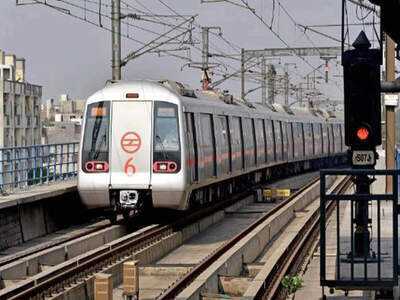
Delhi’s public transport disruption has pushed commuters towards the Metro, with the Delhi Metro Rail Corporation () recording its highest-ever number of single-day passenger boardings on Thursday as a strike by drivers of privately operated DTC buses entered its fifth day, according to Abhinav Rajput and Priyangi Agarwal's Times of India report.
The Metro registered 82,44,903 passenger boardings on Thursday, beating the earlier record of 81,88,115 recorded on August 8, 2025, on the eve of Raksha Bandhan.
The spike came as a large number of DTC buses remained off the roads amid the ongoing drivers’ strike, leaving office-goers, students and regular bus users to look for alternative ways to travel across the city. DMRC uses passenger boardings to indicate the number of metro lines used by a commuter during a journey.
For many commuters, the disruption has meant both longer travel times and additional expenses. Women who depend on free bus travel and passengers using monthly passes have had to rely on autos, e-rickshaws and cabs, increasing their daily travel costs.
The impact has also been felt by students travelling to Delhi University colleges, particularly during the ongoing DUSU election period. “We rely on DTC to go to campus but could not due to the strike,” said Naresh Sangwan, a resident of Punjabi Bagh.
The strike has affected a significant portion of the city's bus fleet. Union leaders claimed that close to 4,000 buses out of Delhi's approximately 6,300 buses were not operating.
The drivers are seeking a revision in their minimum daily wage from Rs 862 to Rs 2,000. Their demands also include social security benefits, medical facilities, annual bonus, leave benefits, insurance cover and equal pay for equal work.
Manoj Sharma, general secretary of the drivers' union, said the agitation would continue until an official order addressing their demands was issued.
The government, however, has maintained that the strike does not involve DTC's regular employees. Transport minister Pankaj Kumar Singh said the protesting drivers are employed by concessionaires that operate DTC buses. He also said the government would examine measures aimed at improving drivers' pay.
With bus services disrupted, DMRC stepped up operations to accommodate the additional passenger load. It ran extra services on Thursday, with the Yellow Line accounting for 20,89,465 passenger boardings — the highest among the corridors.
The Blue Line followed with 17,28,658 boardings, while the Pink Line recorded 9,41,527.
“To meet the increased travel demand, DMRC operated 32 additional trips Thursday,” a DMRC official said.
The record passenger movement also brought increased demands on security and crowd management across the Metro network. Santosh Chalke, DIG, CISF Unit, DMRC, said the figure reflected coordinated efforts by the CISF and DMRC to maintain security and ensure smooth passenger movement.
The , meanwhile, continued into its fifth day on Friday, keeping pressure on the city's alternative public transport systems.
(With TOI inputs)
Contact to : xlf550402@gmail.com
Copyright © boyuanhulian 2020 - 2023. All Right Reserved.