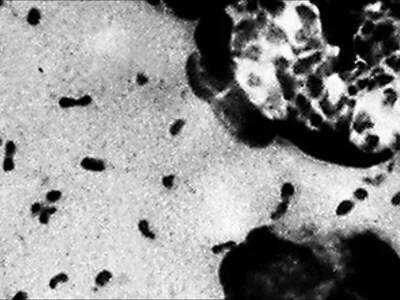
Russian authorities reportedly imposed anti-epidemic provisions after a laboratory staff at a research institute in Siberia died of a "mysterious illness". The cause is feared to be , but it is not confirmed yet. Roughly 200 people are placed under observation in quarantine. Vikas Dandekar looks at the symptoms of bubonic plague, whether it could become a pandemic and the different forms of the plague.
How does bubonic plague spread?
According to the US Centers for Disease Control and Prevention, there are two ways in which it can spread. Plague bacteria are often transmitted by the bite of an infected flea. During plague, many rodents die causing fleas to seek other sources of blood. People and animals that visit places where rodents have recently died from plague are at risk of being infected from flea bites.
Also read:
Dogs and cats may also bring plague-infected fleas into the home. Flea-bite exposure may result in primary bubonic plague or septicaemic plague. Humans can also become infected when handling tissue or body fluids of a plague-infected animal.
Can bubonic plague become fatal?
According to the WHO, plague is an infectious disease caused by the bacterium . The infection is generally associated with small mammals and their fleas, although humans can become infected through direct contact with infected material or, in , by respiratory particles. Untreated bubonic plague can have a mortality rate of 50-60%, according to several research data.
What are the conditions or symptoms of plague?
There are different forms of plague. Bubonic plague causes painful swollen lymph nodes. Pneumonic plague affects the lungs and is the most severe form.
Is there a threat of bubonic plague becoming a pandemic?
Bubonic plague is seen as a high-risk disease but does not pose the same global threat as it is known for since it can be effectively treated with antibiotics. Unlike the Covid-19 pandemic, unless it is highly contagious, mutates and spreads quickly in population, it can't cause serious levels of mortality. The pneumonic form of plague is, however, seen by experts as a dangerous condition. Unlike the bubonic form, it can be transmitted directly from person to person. Without treatment, pneumonic plague is extremely fatal.
Is bubonic plague similar to Ebola?
Bubonic plague and Ebola are similar as they are zoonotic diseases and can cause outbreaks and mortality or deaths. However, they are not biologically or epidemiologically the same. Bubonic plague is a whereas Ebola is a viral disease transmitted primarily through contact with the body fluids of infected people or animals. The symptoms also differ.
Bubonic plague characteristically causes painful swollen lymph, while Ebola commonly causes fever, weakness, gastrointestinal symptoms and, in some cases, bleeding. Importantly, bubonic plague can be treated effectively with antibiotics, whereas Ebola requires specialised supportive care.
Contact to : xlf550402@gmail.com
Copyright © boyuanhulian 2020 - 2023. All Right Reserved.