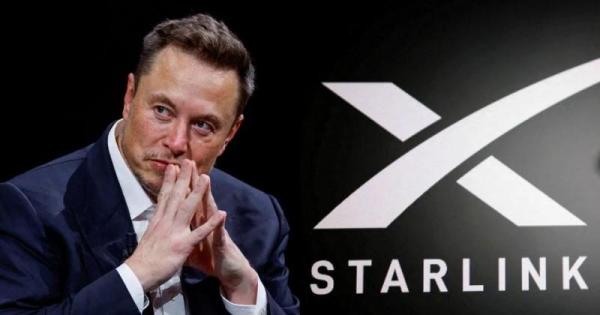
Elon Musk has once again raised questions over Starlink’s delayed entry into India, asking whether Reliance Industries chairman Mukesh Ambani is the “real boss of India”, hours after the government rejected his allegations that unnamed “oligarchs” were blocking the satellite internet service.
Musk had earlier claimed that Starlink was being blocked by “certain oligarchs” to maintain a “monopolistic chokehold” over Indian consumers. While he did not name anyone in his initial post, his latest remarks appeared to point towards Ambani and Reliance Jio.
In a post on X, Musk questioned Starlink’s prolonged wait to begin commercial operations in India, despite the company having secured a licence and spending years working with Indian authorities to meet regulatory and security requirements.
“Is Ambani the real boss of India?” Musk asked, while arguing that Starlink is already licensed in more than 165 countries and has spent years complying with Indian government requirements.
Musk also said that Starlink could help provide high-speed internet connectivity to parts of India where traditional mobile networks and fibre infrastructure are difficult to deploy.
Government rejects Musk’s ‘oligarchs’ claim
The Indian government has rejected Musk’s allegations of discrimination, saying the country’s regulatory framework for satellite communication services is fair and non-discriminatory.
The Ministry of Communications said three satellite communication operators are currently going through security assessments and are at “broadly the same regulatory stage”. It added that the suggestion that the framework or its implementation was unfair or discriminatory was “baseless and misconceived”.
The three licensed operators include Elon Musk-led Starlink, Bharti-backed Eutelsat OneWeb and Reliance-backed Jio Satellite Communications. All three are required to meet security conditions before moving to the next stage of spectrum assignment and eventually launching commercial services.
Why is Starlink’s India launch delayed?
Starlink has been trying to enter the Indian market for several years. While the company has received a satellite communication licence, it is still awaiting the remaining regulatory approvals, including security clearances and spectrum allocation, before it can start commercial operations.
Security concerns have been a major part of the delay. Indian authorities have also previously raised concerns after Starlink terminals were reportedly recovered during operations in the country.
Starlink, meanwhile, says it has already invested in infrastructure required for its India operations. The company has reportedly established 20 gateway sites with hundreds of antennas and put India-specific security controls in place.
Speaking at the India Mobile Congress, Starlink vice-president Lauren Dreyer said the company was ready to serve India once the required approvals were completed.
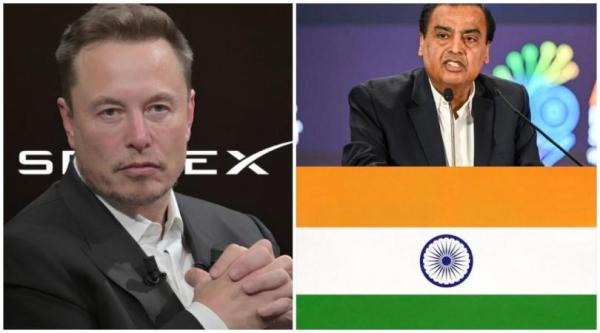
Jio, Airtel and Starlink in India’s satellite internet race
The controversy comes as major telecom companies are also preparing for India’s satellite internet market.
Reliance Jio is working on its own satellite broadband plans, while Bharti Airtel is associated with Eutelsat OneWeb. Interestingly, both Jio and Airtel have also entered partnerships with Starlink as the company prepares for its eventual India launch.
The Indian government has maintained that all licensed operators are being subjected to the same regulatory and security process.
For now, Starlink remains unable to launch commercial services in India, despite Musk repeatedly highlighting the potential of satellite internet to connect underserved regions.
The latest exchange between Musk and the Indian government has once again brought the spotlight on the regulatory hurdles facing Starlink and the growing competition among major players in India’s satellite internet market.
Contact to : xlf550402@gmail.com
Copyright © boyuanhulian 2020 - 2023. All Right Reserved.