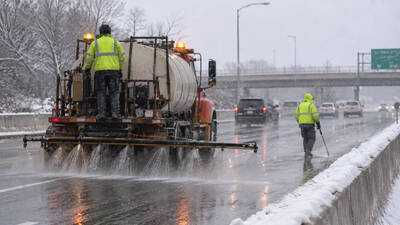
Freezing winter temperatures can change hours of traffic into perilous ice- and snow-covered routes, which can cause skidding, crashes, and traffic delays. In Colorado, maintenance crews on state roads have used an anti-icing strategy by spraying liquid magnesium chloride on roads and bridges before a winter storm is forecast. The idea is to prevent snow and ice from forming on the pavement.
According to the , Denver's interstate anti-icing program achieved a 12-year average of 14% fewer snow- and ice-related car crashes, even with a 23% increase in road traffic during the period. The results provide promising evidence that pre-treatment, such as applying liquid magnesium chloride, helps remove snow and ice formations.
How magnesium chloride works before a winter storm
Traditionally, winter roads were treated by ploughing and by dispersing salt, sand, or other materials over the surface after snow and ice had accumulated. These materials were used to provide traction; to some extent, they treated the effect, not the cause, of snow and ice. However, Colorado's anti-icing effort applies proper treatment to the pavement prior to precipitation using liquid magnesium chloride, which is made of a chemical compound based on salt. When applied to the pavement surface in advance of an approaching storm, it deters snow from bonding to the pavement and makes it easier for maintenance crews to remove it from the roadway.
According to the, the idea of anti-icing methods was being tested in a pilot project on Colorado Road as part of an assessment related to the Strategic Highway Research Program. The transportation Agencies and several cities said weather information helps guide decisions on when and where to treat so that roads are ready before they are needed. If the timing is off or the conditions are wrong, it is less effective, but when the timing is right, the chemical can help keep the pavement in good shape and reduce the amount of mechanical clearing needed, as well as the need for new conventional material.
What the 12-year finding revealed
The Denver program also ran as the number of vehicles on the roads increased, and the project appeared to be safe. The 12-year study detailed by the ITS KRS showed that, even with a 23% increase in traffic, there was an average 14% decrease in crashes due to snow and ice. This is a significant statistic because more traffic usually translates to more crashes.
Research published in also evaluated magnesium chloride-based and anti-icing liquids in field trials. Researchers concluded that magnesium chloride and traditional salt generally have similar results, but the study cautioned that the application of anti-icing liquid to dry pavement surfaces before snowfall had the potential to decrease surface friction. The study also suggested that the dosage and its application timing are critical factors in safety considerations. 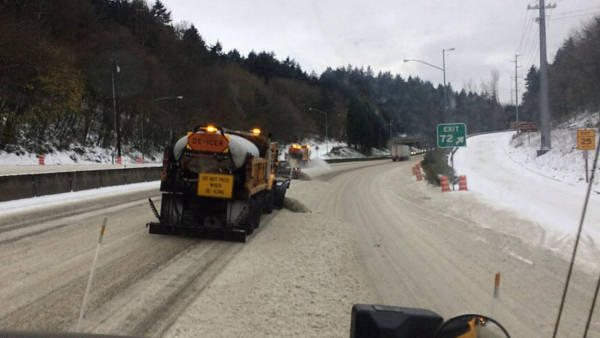 Environmental trade-offs of chloride-based treatments
There are some concerns with chloride-based products. When used in high concentrations, or if left untreated, they can have an impact on roadside plants, soils and water quality, and vehicle components. Runoff from treated roads can drain into adjacent pipes and streams. Colorado has established some safeguards to address a few of them. The Colorado Department of Transportation applies corrosion inhibitors to its anti-icing brine to reduce its corrosive impact on vehicles and infrastructure. Its current winter operations guidance document notes that the liquid applications are conducted ahead of storms and that when snow accumulates, or temperatures decline below freezing, the department moves from liquid application to other deicing substances.
The department also employs different products at various temperatures, knowing it cannot use a single material under all winter conditions. For transportation agencies, the issue is finding the right balance between keeping roads safe and reducing the amount of chemicals entering the environment. Improved forecasting, application rates, and monitoring can also help. Thus, this story is a reminder that even a modest tweak to winter roadway maintenance can have major road safety implications.
Contact to : xlf550402@gmail.com
Copyright © boyuanhulian 2020 - 2023. All Right Reserved.