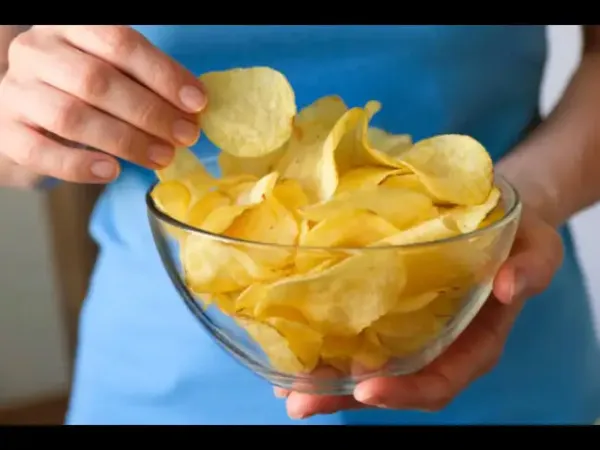
Why is it so hard to stop eating chips? Scientists studied 1,600 Americans to find the reason (Getty Images)
You open that bag of chips which you purchased thinking it is emergency food. You tell yourself you are going to have just a few pieces but then you start scrolling your phone or watching television and forget your promise. Before you know it, the entire packet is gone. You were not even hungry, you just want to taste it but your hand kept reaching for more and then more and then all gone.
So why does this happen? Why do you have no self-control when it is a bag of chips but when it comes to apples or any salad or fruit, you know whether you are overeating ot not?
Everyone may have been blaming the sugar for it. However, a new study suggests the problem may not be sugar alone. The combination of ingredients in certain ultraprocessed foods could make them particularly difficult to resist, according to a report by CNN.
Published in the American Journal of Public Health in 2026, the research examined how Americans perceive the addictive qualities of everyday foods.
Ashley Gearhardt, a psychology professor at the University of Michigan, has spent years studying food addiction. According to her research, foods that combine refined carbohydrates with fat tend to be especially rewarding.
Think about potato chips. They contain little or no added sugar, yet many people find them difficult to stop eating.
The explanation may lie partly in their starch content. Refined starches are quickly broken down into glucose during digestion. When combined with fat in an energy-dense product, they create a food that people may find particularly appealing.
Food manufacturers can also adjust flavours and textures to make their products more enjoyable.
The team then examined which nutritional characteristics were associated with higher ratings.
One finding stood out. More than 90% of the foods in the highest category of perceived addictiveness were ultraprocessed.
Foods containing large amounts of refined carbohydrates and fat were rated particularly highly.
Calorie density also appeared to matter. Products packing more calories into smaller portions were generally perceived as harder to resist.
However, the study measured people's perceptions. It did not establish that eating any particular food causes clinical addiction.
Surprisingly, a few foods that were not classified as ultraprocessed were considered highly tempting too.
Researchers found that products containing rapidly digested starches could receive high ratings even without much added sugar. The findings challenge the idea that removing sugar alone makes a snack less likely to encourage overeating.
Research cited by CNN suggests that around 14% of older American adults meet the scale's criteria for food addiction.
However, scientists have not reached a consensus on whether particular foods should be classified as addictive substances.
The International Food & Beverage Alliance told CNN that the new study identifies associations between nutrients and perceived addictiveness, rather than proving addiction.
Enjoying pizza or craving chips occasionally is not the same as having a clinical problem.
Reading nutrition labels can help identify products high in refined carbohydrates and saturated fat.
Regular meals may also make it easier to manage hunger. Keeping more filling alternatives available can reduce reliance on packaged snacks.
According to Gearhardt, warning signs may include eating despite feeling full or repeatedly failing to cut back on certain foods.
The concern is not that everyone who enjoys ultraprocessed foods will become addicted. Rather, some products may be especially difficult to resist for people already vulnerable to compulsive eating.
So why does this happen? Why do you have no self-control when it is a bag of chips but when it comes to apples or any salad or fruit, you know whether you are overeating ot not?
Everyone may have been blaming the sugar for it. However, a new study suggests the problem may not be sugar alone. The combination of ingredients in certain ultraprocessed foods could make them particularly difficult to resist, according to a report by CNN.
Published in the American Journal of Public Health in 2026, the research examined how Americans perceive the addictive qualities of everyday foods.
What makes ultraprocessed foods so hard to resist?
For decades, every dietician, nutritionist, and health coach has been blaming sugar for increased food cravings. But researchers now believe there's more to the story.Ashley Gearhardt, a psychology professor at the University of Michigan, has spent years studying food addiction. According to her research, foods that combine refined carbohydrates with fat tend to be especially rewarding.
Think about potato chips. They contain little or no added sugar, yet many people find them difficult to stop eating.
The explanation may lie partly in their starch content. Refined starches are quickly broken down into glucose during digestion. When combined with fat in an energy-dense product, they create a food that people may find particularly appealing.
Food manufacturers can also adjust flavours and textures to make their products more enjoyable.
What did the study of 1,600 Americans discover?
Researchers asked 1,664 adults in the United States to rate how addictive they considered 297 different foods.The team then examined which nutritional characteristics were associated with higher ratings.
One finding stood out. More than 90% of the foods in the highest category of perceived addictiveness were ultraprocessed.
Foods containing large amounts of refined carbohydrates and fat were rated particularly highly.
Calorie density also appeared to matter. Products packing more calories into smaller portions were generally perceived as harder to resist.
However, the study measured people's perceptions. It did not establish that eating any particular food causes clinical addiction.
Which foods were considered the most addictive?
The list included several familiar supermarket favourites. Cookies, doughnuts and potato chips received high ratings. Pizza and certain fast-food meals also featured prominently.Surprisingly, a few foods that were not classified as ultraprocessed were considered highly tempting too.
Researchers found that products containing rapidly digested starches could receive high ratings even without much added sugar. The findings challenge the idea that removing sugar alone makes a snack less likely to encourage overeating.
Can eating ultraprocessed foods become a real addiction?
Some researchers believe it can. Gearhardt developed the Yale Food Addiction Scale, which measures symptoms such as intense cravings and difficulty controlling food intake.Research cited by CNN suggests that around 14% of older American adults meet the scale's criteria for food addiction.
However, scientists have not reached a consensus on whether particular foods should be classified as addictive substances.
The International Food & Beverage Alliance told CNN that the new study identifies associations between nutrients and perceived addictiveness, rather than proving addiction.
Enjoying pizza or craving chips occasionally is not the same as having a clinical problem.
How can you reduce cravings for ultraprocessed foods?
Researchers suggest paying closer attention to the foods you repeatedly struggle to stop eating.Reading nutrition labels can help identify products high in refined carbohydrates and saturated fat.
Regular meals may also make it easier to manage hunger. Keeping more filling alternatives available can reduce reliance on packaged snacks.
According to Gearhardt, warning signs may include eating despite feeling full or repeatedly failing to cut back on certain foods.
The concern is not that everyone who enjoys ultraprocessed foods will become addicted. Rather, some products may be especially difficult to resist for people already vulnerable to compulsive eating.