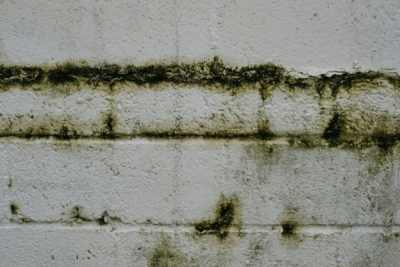
Room Moisture Problems: Troubled by dampness in the house, people repair the walls, install new tiles, or even replace the entire floor. But the problem only gets worse.

Why does dampness appear in the room even after a new floor is laid?
Why Dampness Appears Even After New Flooring: Many people, troubled by dampness in their homes, repair the walls, install new tiles, or even replace the entire floor. But the problem worsens when, despite all this expenditure, dampness reappears in the room within a short time. Peeling walls, foul odors, faded paint, and mold growth in corners are signs that the problem may lie elsewhere, not just with the floor.
Why does the problem occur ?
According to home experts, dampness can occur for a variety of reasons, and simply installing a new floor isn't a permanent solution. First, it's important to understand why the dampness is occurring. If moisture underground is rising through the walls, it's called rising damp. In such cases, even after installing a new floor, the moisture can persist in the walls and the room. Furthermore, if there are cracks in the exterior walls, water seepage from the ceiling, or a leak in the plumbing, water can slowly seep inside, causing dampness.
Dampness due to lack of ventilation
Lack of adequate ventilation in the room can often contribute to dampness. When moisture in the air hits cold walls, water droplets form. This condition is especially common during the monsoon and winter months.
Proper investigation is necessary.
To determine the exact cause of dampness, first inspect the walls and floors. Peeling paint, wet spots, or mold growth could be signs of dampness. Many experts also recommend using a moisture meter to determine the severity of the problem.
What should be done to remove dampness?
To eliminate dampness, it's essential to first eliminate its source. If there's a leak in the plumbing, repair it immediately. Fill cracks in the walls with waterproof material. Repair leaks from the roof. Maintain a proper drainage system around the house to prevent rainwater from accumulating near the walls. Adequate ventilation in rooms is also crucial. Keep windows open, use exhaust fans, and increase air circulation in damp rooms. If necessary, walls can be treated with damp-proof or waterproof coatings. If mold or black spots have formed on the walls, first clean them and then apply anti-fungal or anti-mold paint. This can reduce the risk of dampness recurring.